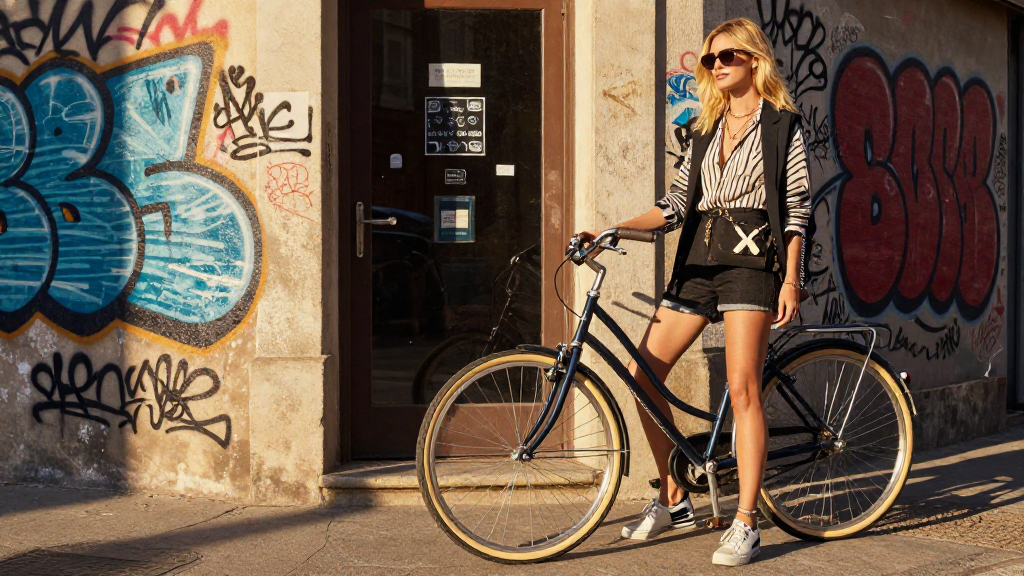
Street style is a vibrant and eclectic form of fashion that expresses individuality and creativity.
Capturing the essence of street style without visual aids can be a challenging yet rewarding endeavor.
In this article, we will explore effective methods and techniques to articulate this trend, helping you convey the beauty and uniqueness of street style through words.
What Makes Street Style Unique?
Street style is more than just clothing; it’s a reflection of a person’s personality, culture, and environment.
Here are some key elements that contribute to its unique nature:
-
Personal Expression
Street style allows individuals to express themselves through a mix of fashion choices, accessories, and attitude. -
Cultural Influences
It often incorporates elements from various cultures, showcasing diversity and creativity. -
Trends versus Individuality
While street style can be influenced by current fashion trends, it often celebrates personal interpretation over conformity. -
Contextual Environment
The setting in which street style is seen adds significance, whether it’s urban landscapes, rural environments, or cultural hubs.
By identifying these elements, you can begin to paint a vivid picture of street style through descriptive language.
How Can You Use Words to Create a Visual Representation?
Describing street style effectively requires rich, expressive language.
Here are some strategies to create a striking visual representation through words:
-
Sensory Details
Incorporate sensory language that appeals to sight, sound, and even touch.
For example:
– “The vibrant red of a vintage bomber jacket pops against the urban gray of concrete walls.”
– “The soft, worn-in texture of distressed jeans contrasts beautifully with a sleek leather handbag.” -
Color and Texture
Highlight colors and textures that evoke a specific mood or atmosphere.
Use adjectives like vibrant, muted, luxurious, or rustic to describe fabric and hue.
– “A pale, pastel skirt sways gently in the breeze, its light fabric dancing in harmony with the city’s rhythm.” -
Fashion Juxtaposition
Describe the mix-and-match nature of street style.
This could involve opposing styles or eras.
– “A punk-inspired leather jacket layered over a delicate lace dress showcases a perfect clash of toughness and femininity.” -
Body Language and Attitude
Capture the attitude of the wearers.
Consider how posture and expression contribute to the overall aesthetic.
– “As she struts down the sidewalk, her confident stance and playful smirk evoke a sense of self-empowerment.” -
Accessories and Footwear
Pay close attention to accessories, as they play a vital role in defining street style.
Describe unique items in detail.
– “An oversized thrift-store handbag is slung over one shoulder, its eclectic patterns adding flair to an otherwise monochromatic outfit.”
How Can Context Enhance Your Description?
The context in which street style exists adds depth to your description.
Consider factors such as location, time of day, and the environment:
-
Urban Landscapes
“Amidst the bustling streets of New York, a young man in a tailored suit pairs expertly with bright sneakers, blending professionalism with an urban edge.” -
Seasonal Changes
Describe how seasonal elements affect styles. -
“As autumn leaves blanket the sidewalk, layers of texture and warmth emerge, with chunky knit sweaters and knee-high boots taking center stage.”
-
Cultural Significance
Highlight the cultural backdrop. - “In Tokyo’s Harajuku district, the fusion of traditional attire and contemporary pieces illustrates a rich tapestry of global fashion influences.”
What Vocabulary is Effective for Describing Street Style?
Using vivid and varied vocabulary can greatly enhance your descriptions.
Here are some words and phrases to consider that encapsulate the spirit of street style:
- Adjectives: Bold, eclectic, fierce, vintage, urban, playful, chic, avant-garde, relaxed, and polished.
- Nouns: Ensemble, trendsetter, aesthetic, vibe, flair, character, silhouette, and influence.
- Verbs: Mix, layer, accessorize, clash, embody, express, and strut.
By combining these words strategically, you can create rich, engaging descriptions.
How Do You Capture the Stories behind the Style?
Every street style outfit tells a story, and conveying that story enriches your writing.
Think about the narratives behind the clothing choices, such as:
- Personal backstories
What inspired the individual’s choices? Consider their cultural background or personal struggles. -
“Her floral print dress, a nod to her grandmother’s vintage wardrobe, tells a story of nostalgia and love.”
-
Fashion history
Reference historical context or designers that inspire the styles. -
“The ‘90s resurgence seen in her oversized flannel shirt speaks volumes about the cyclical nature of fashion history.”
-
Societal influences
How does current society influence style? - “In an era of sustainability, her hand-me-down jeans reflect a modern commitment to eco-conscious living.”
Why is Describing Street Style Important?
Understanding how to articulate street style allows for deeper connections with fashion and culture.
Here are a few reasons why it’s important:
-
Building Community
A well-crafted description can foster appreciation for diverse fashion choices and encourage inclusivity within communities. -
Challenging Stereotypes
By highlighting various styles, you can challenge preconceptions associated with particular fashion trends. -
Celebrating Individualism
Descriptive writing honors personal style, encouraging individuals to embrace their uniqueness.
Conclusion
Describing street style without images requires creativity, attention to detail, and skillful use of language.
By focusing on sensory details, context, and the stories behind the styles, you can captivate your readers and convey the essence of street style.
Whether in an article, blog, or social media post, the ability to paint a vivid picture with words will allow the spirit of street style to shine through, regardless of the absence of visual elements.
With practice and enthusiasm, you can transform your observations into memorable narratives that resonate with fashion enthusiasts everywhere.