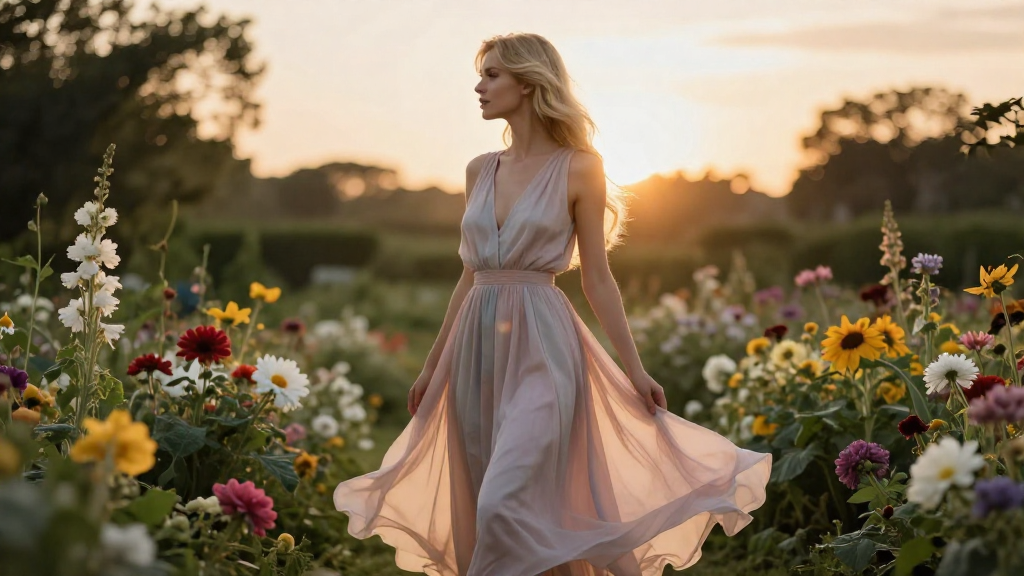
Describing feminine style can be a delightful yet challenging endeavor, especially when you don’t have photos to illustrate your points. However, with the right words and a bit of creativity, you can effectively convey the essence of this style. In this article, we’ll explore various facets of feminine style and provide you with descriptive language that brings this aesthetic to life.
What Defines Feminine Style?
Feminine style is characterized by its soft angles, delicate fabrics, and romantic touches.
It’s often associated with gracefulness and elegance, featuring elements that enhance the beauty of the female form. Here are some key characteristics that define feminine style:
-
Silhouettes: Feminine style often includes A-line dresses, fitted bodices, and flowing skirts that accentuate curves.
-
Colors: Soft pastels, bold florals, and classic neutrals dominate the palette, making outfits visually appealing without being overwhelming.
-
Fabrics: Lightweight materials such as chiffon, silk, and lace are popular for their flowy and delicate appearance.
-
Details: Expect ruffles, lace trims, embroidery, and subtle embellishments to add a touch of whimsy.
-
Accessories: Feminine style incorporates delicate jewelry, handbags, and stylish shoes that complement outfits without overpowering them.
By understanding these defining elements, you can start to paint a picture of feminine style in your descriptions.
How Does Feminine Style Manifest in Clothing?
When describing feminine style in clothing, focus on the types of garments that embody this aesthetic.
For example:
-
Dresses: Look for tea-length dresses adorned with floral prints or lace details.
-
Blouses: Opt for soft, flowing blouses made of chiffon with ruffled sleeves or intricate lace patterns.
-
Skirts: Mention skirts that flare out gently, whether they’re pencil skirts that hug the silhouette or full-circle skirts that evoke a playful vibe.
-
Outerwear: Consider light cardigans or tailored blazers with feminine cut lines that provide structure without losing the delicate touch.
The way these elements combine in an outfit tells a story about feminine style and can evoke specific emotions and feelings.
What Colors and Patterns are Common in Feminine Style?
The feminine style is closely tied to color palettes and patterns that evoke softness and charm.
Here are some common colors and patterns that are frequently associated with this style:
Popular Colors
-
Pastels: Soft pinks, mint greens, and lavender create a gentle and inviting vibe.
-
Neutrals: Creams, beiges, and light greys provide a sophisticated background that balances brighter hues.
-
Bold Colors: Rich reds and deep blues can also feature prominently, especially in accent pieces.
Common Patterns
-
Florals: A staple in feminine dress, floral prints can vary from small, dainty flowers to large, statement blooms.
-
Polka Dots: This playful pattern adds a retro touch and is often found on dresses, blouses, and skirts.
-
Stripes: Soft, vertical stripes can create elongation, while horizontal stripes add a casual, playful edge.
By carefully selecting colors and patterns, one can fully encapsulate the essence of feminine style.
What Accessories Complement Feminine Style Best?
Accessories play a crucial role in enhancing feminine style.
When curating an outfit, consider the following accessories:
-
Jewelry: Choose dainty necklaces, stud earrings, or delicate bracelets that add a touch of elegance without being overpowering.
-
Scarves: A light scarf can add a dash of color or pattern, while also providing warmth or style.
-
Footwear: Classic ballet flats, strappy heels, or delicate ankle boots can all complement an outfit, depending on the occasion.
-
Bags: Opt for handbags that offer both functionality and style, such as a soft leather tote or a small clutch.
These accessories can enhance the overall look, bringing out the delicate and graceful aspects inherent in feminine style.
How Does Feminine Style Evolve with Trends?
Feminine style is not static; it evolves and adapts with fashion trends.
Modern interpretations may blend traditional elements with contemporary style, resulting in fresh looks. Here are some trends currently shaping feminine style:
-
Athleisure: Combining comfort and style, athleisure outfits often include feminine cuts in sweatshirts and joggers.
-
Mixing Masculine and Feminine Elements: Bold blazers paired with soft skirts or pleated trousers with delicate blouses showcase a fun juxtaposition.
-
Sustainable Fashion: Emphasizing ethical practices, sustainable brands offer feminine garments made from eco-friendly materials.
By recognizing these evolving trends, you can illustrate how feminine style adapts while maintaining its core principles.
How Can You Describe Feminine Style in Different Settings?
The beauty of feminine style is its versatility.
You can find it in various settings, and a description should reflect the appropriateness for the occasion. Here are some contexts to consider:
Everyday Casual
Imagine a flowing floral maxi dress paired with simple espadrilles and a woven sunhat.
This reflects a laid-back yet chic feminine style perfect for casual outings.
Professional Environment
Consider a tailored blazer over a fitted blouse, paired with an A-line skirt and classic pumps.
This ensemble embodies professional femininity while maintaining elegance.
Evening Glamour
Picture an elegant cocktail dress with intricate lace detailing, stiletto heels, and a clutch that showcases sparkling embellishments.
This is a striking representation of feminine style in an evening setting.
What Language Can You Use to Bring Feminine Style to Life?
When describing feminine style, choose your words thoughtfully to evoke imagery and emotions.
Utilize sensory language that paints a vivid picture:
-
Visual Descriptions: Emphasize silhouettes, color combinations, and intricate details.
-
Sensory Elements: Describe how soft fabrics feel against the skin or how a flowy dress sways with movement.
-
Emotional Resonance: Capture the feelings that certain outfits can evoke—confidence, romance, or tranquility.
This will help your audience visualize the beauty and grace of feminine style even in the absence of images.
Conclusion: How Can You Celebrate Feminine Style Through Description?
The essence of feminine style lies in its whimsy, elegance, and adaptability.
By focusing on colors, silhouettes, patterns, and accessories, you can create vivid descriptions that resonate with your audience.
Moreover, by adapting your descriptions to various settings and trends, you can celebrate the evolving nature of feminine style.
Whether you’re writing for a blog, a fashion magazine, or even your personal journal, the art of describing feminine style without photos is entirely achievable with practice and creativity. Embrace these tips and express the elegance and charm of this timeless aesthetic in words.