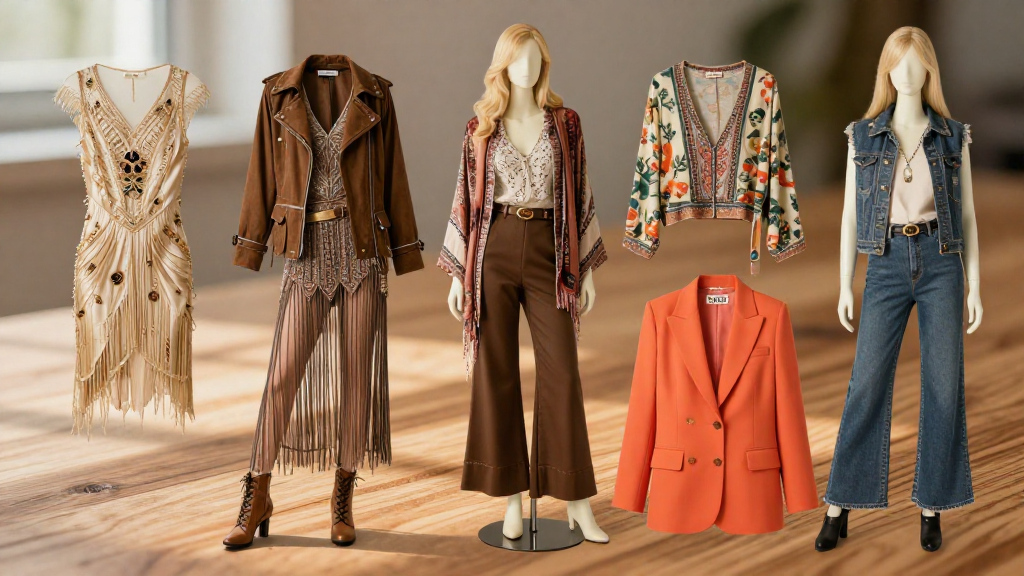
Fashion is not merely about clothes; it’s a reflection of society, culture, and individual expression. Understanding how style has evolved by decade opens a window into the collective psyche and values of various eras. From the flamboyant 1920s to the minimalist 2000s, each decade has its signature aesthetic that captivates and defines its time.
What Characterizes Style by Decade?
When we discuss style by decade, we look at how trends morph, adapt, and re-emerge, mirroring significant historical events, technological advancements, and cultural shifts.
Each decade brings a unique flair to the fashion landscape:
-
The Roaring ’20s: This explosive decade introduced flapper dresses, cloche hats, and a celebration of femininity and freedom.
-
The 1930s: Amid the Great Depression, fashion turned more practical yet elegant, incorporating Art Deco influences with tailored suits and refined silhouettes.
-
The 1940s: Wartime restrictions shaped the style, leading to utilitarian garments. The New Look of the late ’40s emerged, emphasizing voluptuous forms.
-
The 1950s: This decade is characterized by youthful rebellion, with bold designs such as circle skirts, converse sneakers, and rock ‘n’ roll influences.
-
The 1960s: Known for mod fashion and the psychedelic movement, the ’60s brought mini skirts, bold patterns, and gender-fluid expressions.
-
The 1970s: A clash between bohemian and disco styles encapsulated this era, with flared pants, bright colors, and a laid-back aesthetic.
-
The 1980s: Excess and extravagance defined this decade, epitomized by shoulder pads, neon colors, and significant pop culture influences.
-
The 1990s: A return to grunge and minimalism, with flannel shirts, crop tops, and an emphasis on casual wear.
-
The 2000s: Internet culture influenced styles, leading to trends like fast fashion, logo-centric pieces, and the return of vintage styles.
How Did Cultural Events Influence Style by Decade?
Cultural events play a crucial role in shaping style by decade. Here are some examples of significant influences:
-
The Great Depression (1930s): The economic downturn led to practicality in fashion, with an emphasis on durability and affordability.
-
World War II (1940s): Fabric rationing resulted in creative designs and the eventual birth of the New Look, promoting femininity and glamour post-war.
-
Civil Rights Movement (1960s): This era showcased a more inclusive approach to fashion, with styles that celebrated cultural diversity and personal identity.
-
The Rise of Celebrity Culture (1980s): The influence of pop icons and Hollywood stars led to exaggerated styles, driving mass consumption in fashion.
-
The Internet Revolution (2000s): The advent of social media platforms democratized fashion trends, making them accessible and rapidly changeable.
What Are the Key Fashion Trends in Each Decade?
1. The 1920s: A Time of Glitz and Glamour
– Flapper dresses with fringe and sequins
– Cloche hats
– Men’s morning suits and newsboy caps
2. The 1930s: Elegance in Simplicity
– Bias-cut gowns
– Tailored trousers for women
– Vintage accessories, such as gloves and handbags
3. The 1940s: War and Resilience
– Utility wear with functional styles
– The birth of the New Look
– Inspired by Hollywood glamour
4. The 1950s: Rock ‘n’ Roll Revolution
– Poodle skirts and saddle shoes
– Leather jackets and denim
– Bombshell silhouettes
5. The 1960s: A Colorful Persona
– Mod dresses and go-go boots
– Psychedelic prints
– Unisex clothing styles
6. The 1970s: A Free-Spirited Era
– Bell-bottoms and high-waisted jeans
– Maxi dresses and layered looks
– Funky prints and earthy tones
7. The 1980s: Bold and Daring
– Power suits with shoulder pads
– Neon colors and leg warmers
– Logo-centric apparel
8. The 1990s: Grunge Meets Minimalism
– Oversized flannel shirts
– Crop tops and chokers
– Denim combat and stylish casual wear
9. The 2000s: Fast Fashion Rise
– Logo-centric T-shirts
– Low-rise jeans and cargo pants
– Vintage thrifted treasures resurfaced
How Do Modern Influences Shape Style by Decade?
Today, the concept of style by decade remains relevant but has broadened significantly. Modern influences are shaped by:
-
Sustainability: A growing trend towards eco-friendly fashion reflects a societal shift towards environmental consciousness.
-
Digital Fashion: With the rise of virtual influencers and digital runways, style by decade is continuously morphing.
-
Globalization: Cultural blending creates a kaleidoscope of influences, making it harder to categorize individual styles.
-
Inclusivity: A push for diverse representation has led to acceptance and celebration of all body types and gender expressions in fashion.
What’s Next for Style by Decade?
The evolution of style by decade allows us to analyze patterns and predict future trends. With each decade drawing inspiration from the past, it’s interesting to consider:
- Will we see a resurgence of the 1990s minimalism in a more sustainable fashion framework?
- Are fashion rules about gender and style ready to be completely rewritten?
- How will technology continue to redefine our wardrobe choices?
The trajectory of style is a dance between nostalgia and innovation, and the insights gleaned from understanding how style has evolved by decade will surely guide future expressions of fashion and self-identity.
Conclusion: Embracing the Evolution of Style by Decade
In examining how style has evolved by decade, we recognize the importance of cultural context in shaping fashion.
From the whimsy of the 1920s to the minimalistic tones of the early 2000s, each decade’s unique aesthetic tells a story about who we are and where we come from.
Understanding this evolution not only informs our present choices but also inspires future trends, ensuring that fashion continues to reflect our ever-changing society.