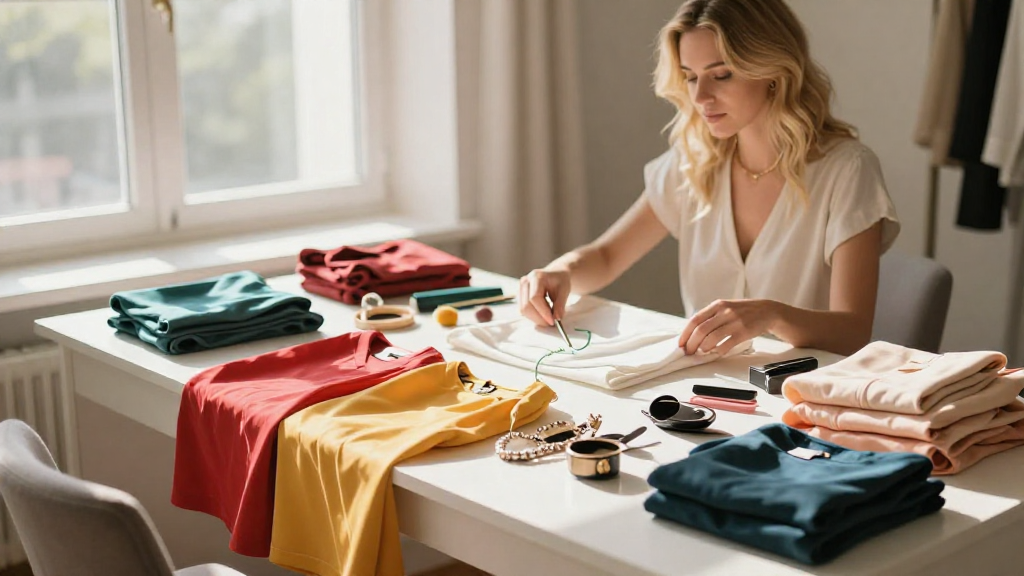
Planning outfits can often feel overwhelming, especially when you’re bombarded with countless style inspirations on social media.
The good news is that you can learn how to plan outfits effectively without relying on pictures.
In this article, we will explore practical strategies and tips to help streamline your outfit planning process.
Why Should You Plan Outfits?
Planning outfits is essential for several reasons:
-
Saves Time: Knowing what to wear each day eliminates the rush and stress of scrambling to put together a look.
-
Reduces Decision Fatigue: Having a set plan helps you avoid daily decisions that can drain your mental energy.
-
Increases Creativity: Planning empowers you to think outside the box and create unique combinations from your existing wardrobe.
What are the Steps to Plan Outfits Without Photos?
1. Organize Your Wardrobe
To effectively learn how to plan outfits, start with an organized closet.
-
Clear Out Unwanted Items: Remove any clothing that no longer fits or you haven’t worn in over a year.
-
Categorize Clothing: Sort your clothes by type—tops, bottoms, dresses, and outerwear. This allows you to see your options at a glance.
-
Use a Color Scheme: Arrange your clothes by color to identify your favorite shades and how they can complement each other.
2. Create a Capsule Wardrobe
What is a capsule wardrobe, and how can it aid in outfit planning?
A capsule wardrobe is a collection of essential clothing items that can be mixed and matched to create multiple outfits.
-
Choose Versatile Pieces: Select items with neutral colors and classic cuts, such as a white t-shirt, black jeans, and a denim jacket.
-
Limit Your Choices: Aim for around 30-40 pieces that you love and feel good in. This minimizes clutter and maximizes your outfit potential.
3. Develop a Personal Style Guide
How can a personal style guide assist you in learning how to plan outfits?
Creating a style guide involves knowing your preferences and what works best for you.
-
Identify Style Icons: Find celebrities or fashion influencers whose styles you admire and note what elements you appreciate (e.g., prints, silhouettes).
-
Define Your Aesthetic: Think about the adjectives that describe your style: casual, bohemian, chic, sporty, etc. This will help you make better decisions when planning outfits.
4. Combine Texture and Fabric
Are fabrics and textures important when planning outfits?
Absolutely! Mixing textures and fabrics can elevate even the simplest looks.
-
Layering: Combine materials such as denim, cotton, leather, and knits for visual interest.
-
Get Inspired by Textures: Think of pairing a flowy chiffon blouse with fitted leather pants for a balanced outfit.
5. Use a Color Wheel
What role does a color wheel play in outfit planning?
A color wheel helps you understand color combinations and how to mix and match effectively.
-
Complementary Colors: Colors opposite each other on the wheel (e.g., blue and orange) work well together, creating a vibrant outfit.
-
Analogous Colors: Colors next to each other (e.g., blue and green) provide a more harmonious look.
-
Neutrals: Always keep in mind the power of neutral colors, as they can ground bold pieces in your outfits.
6. Prepare for Daily Outfits
How can you prepare for daily outfits without photos?
While images are helpful, you can use other methods to plan your outfits.
-
Journaling: Keep a fashion journal to jot down outfit ideas. Write descriptions of combinations you like based on current inventory.
-
Mood Boards: Create vision boards on paper or digitally using color swatches, fabric samples, or magazine clippings as inspiration.
-
Make a Schedule: Assign outfits to specific days, keeping in mind the weather and your daily activities.
7. Take Inventory of Accessories
How significant are accessories when learning how to plan outfits?
Accessories can dramatically alter the aesthetics of an outfit.
-
Versatile Accessories: Invest in timeless accessories like scarves, belts, and jewelry that can elevate your looks.
-
Try Different Combinations: Experiment with how accessories change an outfit. A pair of boots vs. sneakers can completely shift the vibe!
8. Reflect and Adjust Your Outfits
Should you evaluate your outfit choices regularly?
Yes! Reflection is key to improving your outfit planning technique.
-
Keep Track: After wearing an outfit, note what worked well and what didn’t in your style journal.
-
Seasonal Updates: At the start of each season, reassess your pieces to see if there are new combinations you’d like to explore.
How Can You Stay Inspired?
Let’s face it: sometimes you can get stuck in a style rut.
-
Explore Fashion Blogs: Find blogs that align with your style. Read articles for tips and fresh combinations.
-
Attend Local Fashion Events: Networking with local fashion enthusiasts can provide new insights and ideas.
-
Keep an Open Mind: Don’t be afraid to deviate from your usual choices. Trying something new can reignite your passion for style.
Conclusion
Learning how to plan outfits without using photos is entirely achievable by following the right steps.
From organizing your wardrobe and creating a capsule collection to using color theory and accessorizing effectively, each strategy can enhance your outfit planning skills.
By embracing your personal style and regularly reflecting on your choices, you’ll find that planning outfits becomes an enjoyable and creative process.
Start implementing these techniques today, and watch your outfit game soar to new heights!