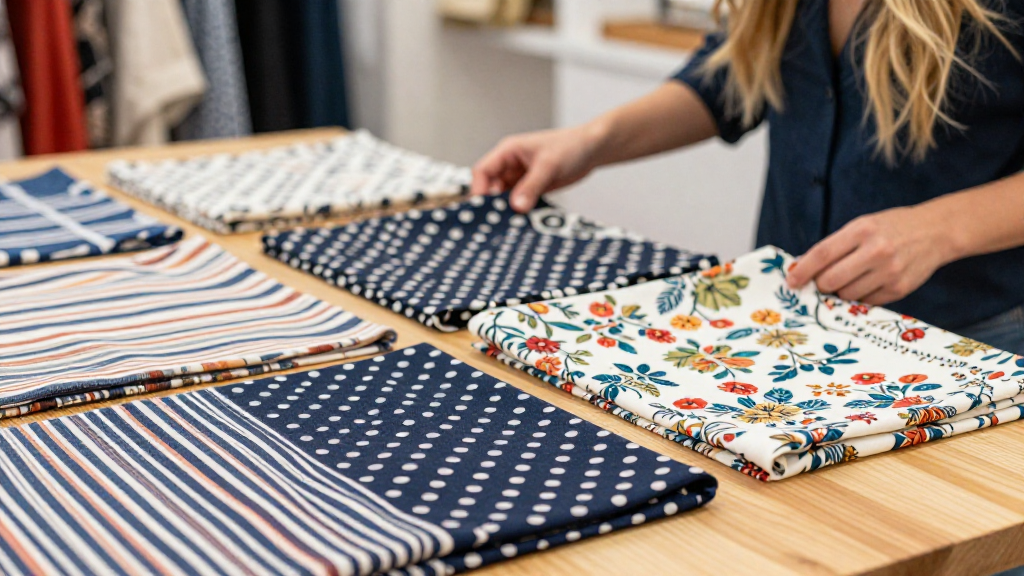
Are you eager to learn how to recognize clothing patterns that repeat?
In the world of fashion, identifying repeating clothing patterns can elevate your style and enhance your wardrobe.
Whether you’re a fashion enthusiast or simply want to improve your outfits, recognizing these patterns can lead to better shopping decisions and improved personal style. Let’s explore the various elements of clothing patterns and how to spot them effectively.
What Are Clothing Patterns?
Clothing patterns refer to the designs and motifs on fabrics that create visual interest.
These can include everything from stripes and polka dots to florals and geometric shapes.
Key aspects of clothing patterns include:
- Textures: How the fabric feels and appears.
- Colors: The color combinations used within the pattern.
- Shapes: The physical design elements and figures present in the pattern.
Understanding these elements will help you grasp how to recognize clothing patterns more easily.
Why Is It Important to Recognize Clothing Patterns?
Recognizing clothing patterns offers numerous benefits:
- Personal Style Development: Understanding your preferred patterns can help refine your personal style.
- Enhanced Mixing and Matching: By recognizing patterns, you can easily mix different pieces for a more dynamic look.
- Smart Shopping: Knowing which patterns complement your existing wardrobe can lead to more strategic purchasing decisions.
How Do I Identify Repeating Patterns?
To learn how to recognize clothing patterns effectively, consider the following steps:
1. Examine the Color Palette
Patterns often have distinct color schemes.
Ask yourself:
- Are the colors warm or cool?
- Do they have a high contrast or a soft blend?
Knowing how to identify the color palette will assist in spotting repeating patterns in fabric designs.
2. Look for Shapes and Motifs
Shapes are fundamental in identifying clothing patterns.
Common repeating shapes include:
- Geometric: Squares, triangles, and circles
- Floral: Flowers and leaves
- Animal Prints: Leopard, zebra, and snake patterns
Recognizing these shapes, especially when they repeat, is crucial in understanding how to recognize clothing patterns.
3. Observe the Scale of the Pattern
Patterns can vary in scale, which affects how they appear when worn.
Ask yourself:
- Is the pattern large and bold or small and intricate?
- Does the scale of the pattern suit your body type?
Understanding the scale can guide you in choosing garments that enhance your appearance.
4. Consider Pattern Placement
Patterns can repeat differently depending on their placement on the garment.
Look for:
- All-Over Prints: Patterns that cover the entire fabric.
- Strategic Placement: Patterns that are positioned to highlight specific areas.
Recognizing how patterns are placed will help you in identifying repeating motifs and make better style choices.
What Are Some Common Types of Clothing Patterns?
Familiarizing yourself with various clothing patterns is key.
Here is a list of common types you may encounter:
- Stripes: Vertical, horizontal, or diagonal stripes
- Polka Dots: Round dots in varying sizes
- Plaid: A grid-based pattern with intersecting stripes
- Floral: Various flowers and plants in different styles
- Animal Print: Mimicking natural animal patterns
- Geometric: Abstract designs featuring shapes and lines
By knowing these types, you can quickly determine how to recognize clothing patterns in stores and your own wardrobe.
How Can I Mix and Match Different Patterns?
Once you’ve learned how to recognize clothing patterns, you might be wondering how to combine them stylishly.
Here are some tips for mixing patterns without looking mismatched:
1. Stick to a Color Scheme
When combining patterns, choose ones that share a common color palette.
This ensures cohesion and visual harmony.
2. Vary the Scale
Mix patterns of different scales.
For instance, pair a large floral print with small polka dots for a balanced look.
3. Use Neutrals as a Base
A neutral piece can ground your outfit when mixing patterns.
Consider a solid-colored pant or jacket to help the patterns stand out.
4. Limit the Number of Patterns
To maintain a stylish look, limit your outfit to two or three patterns.
This prevents overwhelming the eye and keeps your overall appearance chic and polished.
Where Can I Find Repeating Patterns?
Knowing where to find clothing with repeating patterns is essential in your quest to diversify your wardrobe.
Consider the following places:
- Local Boutiques: Often carry unique pieces with distinctive patterns.
- Online Retailers: Websites like ASOS, Zara, and Forever 21 regularly update their offerings with fresh patterns.
- Thrift Shops: A treasure trove for discovering vintage prints that are not available in mainstream stores.
- Fashion Shows and Magazines: Follow trends and styles presented by top designers to recognize current repeating patterns.
By exploring these avenues, you can enhance your wardrobe with stunning pieces.
How Can I Apply What I’ve Learned?
Putting your newfound knowledge into practice is key.
Start by assessing your current wardrobe:
- Take Inventory: Go through your clothes and identify the patterns you already possess.
- Experiment With Combinations: Pick different patterns and styles to mix together.
- Shop Mindfully: Use your understanding of patterns to make informed purchasing decisions.
This hands-on approach will solidify your skills in how to recognize clothing patterns.
Conclusion
Recognizing clothing patterns that repeat is an invaluable skill for anyone interested in fashion.
By understanding color palettes, shapes, scales, and placement of patterns, you can make better clothes choices.
Combine this knowledge with smart shopping and creative mixing techniques, and you’ll be well on your way to building a fashionable and cohesive wardrobe.
Armed with these insights, you will confidently navigate the world of fashion and express your unique style.
So, embark on this exciting journey today and discover the endless possibilities that come with recognizing clothing patterns!