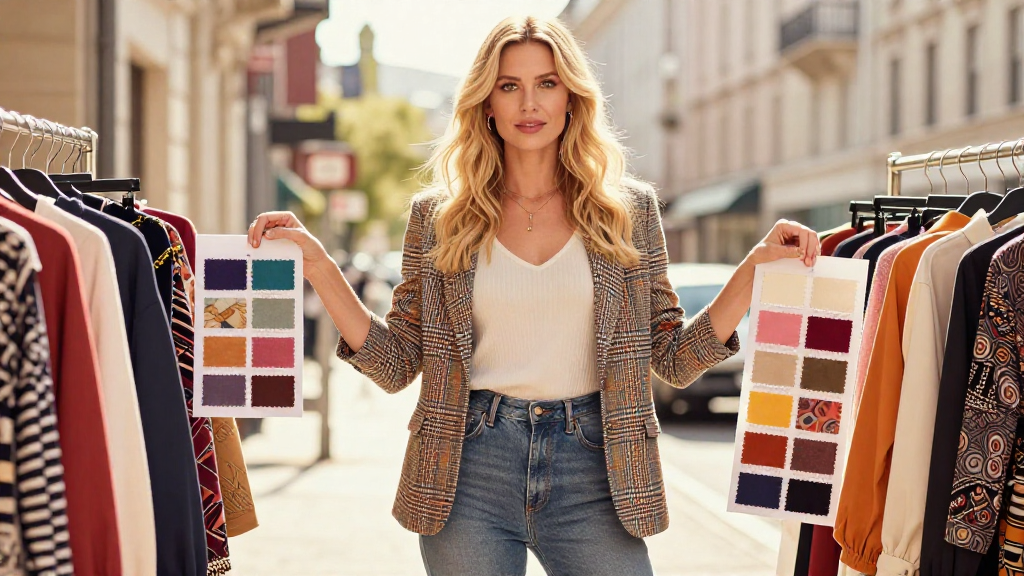
When it comes to fashion, knowing how to describe your outfit preferences can significantly enhance your personal style and help others understand your unique taste.
Whether you’re communicating with a personal stylist, shopping with friends, or preparing for a special occasion, being articulate about your preferences ensures you make choices that truly reflect your identity.
What Are Outfit Preferences?
Outfit preferences are essentially the styles, colors, textures, and fits that resonate with you personally.
To describe these preferences effectively, consider the following categories:
- Silhouette: Do you prefer fitted, loose, or layered looks?
- Colors: Are you drawn to bold patterns or muted tones?
- Occasions: Are your preferences tailored for casual, formal, or business environments?
- Textures: Do you lean towards soft fabrics or structured materials?
- Accessories: How much do you like to incorporate jewelry, bags, and shoes?
Understanding these categories allows you to articulate your favorites and avoid confusion while shopping or discussing your wardrobe.
Why Is Clarity Important?
When learning how to describe your outfit preferences, clarity plays an important role.
Being specific helps stylists curate looks that align with your vision.
It can also prevent miscommunication when working with friends or family who may have different styles.
For example, saying “I love pastel colors” is clearer than simply stating “I like colors.”
If your friend believes you enjoy bright neon colors, there might be a mismatch in your outfit choices.
How Can You Express Your Style Preferences?
Here are some actionable tips on how to describe your outfit preferences effectively:
1. Use Descriptive Adjectives
Adjectives provide rich detail and help convey your preferences more vividly.
Instead of saying, “I like dresses,” consider:
- Flowy Maxi Dresses: Great for summer outings and beach trips.
- Fitted Midi Dresses: Perfect for evening events and office settings.
- A-Line Dresses: Flattering for various body types.
By being specific, you make it easier for others to grasp your taste.
2. Mention Your Inspirations
Talking about style inspirations can offer deeper insights into your outfit preferences.
For instance, let your listener know if you find inspiration in:
- Fashion Icons: Vogue models, celebrities, or social media influencers.
- Movement Trends: Bohemian, vintage, minimalistic, or streetwear styles.
- Cultural Influences: Traditional clothing or designs from various countries.
By relating your preferences to recognizable figures or styles, you can provide a clearer picture of what you love.
3. Be Honest About Comfort
When discussing how to describe your outfit preferences, comfort is a crucial element.
If you value comfort over style, mention it! You might say:
- “I prefer soft, breathable fabrics that allow me to move freely.”
- “Tight-fitting clothes don’t work for me; I love oversized styles.”
Being honest about comfort ensures you choose outfits that allow you to feel confident and at ease in any setting.
What should you include in your Outfit Preference Description?
When describing your outfit preferences, consider the following elements:
1. Lifestyle Fit
Does your daily life necessitate casual wear, or do you find yourself in professional settings often?
Being aware of your lifestyle can dictate your clothing choices. Consider:
- Casual: T-shirts, jeans, and sneakers.
- Business Casual: Blouses, tailored trousers, and loafers.
- Formal: Suits, evening gowns, and dress shoes.
2. Seasonal Choices
Each season may bring changes to your wardrobe.
Specify whether you prefer:
- Light Fabrics: Linen and cotton for summer.
- Layering Options: Cozy sweaters or cardigans for winter.
This consideration not only helps in finding appropriate outfits but also showcases adaptability in your fashion sense.
3. Desired Occasions
Understanding the events for which you need outfits is essential.
You may want to distinguish between:
- Everyday Wear: Comfortable and practical options for daily life.
- Event Wear: Outfits for parties, weddings, or formal gatherings.
- Active Wear: Items suited for workouts or outdoor activities.
By being specific about occasions, you can curate a more versatile wardrobe.
What’s the best way to share outfit preferences?
Now that you understand how to describe your outfit preferences, consider how you can share them effectively:
1. Create a Wardrobe Mood Board
Visual aids serve as powerful tools!
You can use platforms like Pinterest to compile images that reflect your style. Include:
- Color Palettes: Represents your favorite shades.
- Style Inspirations: Photos of outfits that appeal to you.
- Favorite Accessories: Visuals of jewelry, bags, and shoes you love.
2. Use Social Media
Utilize your social channels to communicate your style.
Post images or outfits you love accompanied by captions explaining your preferences.
- Share your outfits and describe why you chose each piece.
- Write style reviews or blogs; this is also helpful for connecting with fellow fashion enthusiasts.
3. Have Open Conversations
Direct communication is key!
When discussing outfit ideas with friends, make an effort to:
- Ask for their input on specific items and be open about your choices.
- Encourage them to express their preferences too; an exchange can yield fresh ideas.
Conclusion: What Have You Learned?
Learning how to describe your outfit preferences is a significant step towards curating a wardrobe that feels genuinely yours.
By using descriptive language, representing your inspirations, focusing on comfort, and being clear about your lifestyle needs, you pave the way for authentic style expression.
Regardless of whom you share your preferences with, having a well-rounded understanding will not only make your shopping experiences enjoyable but also forge deeper connections with those assisting you in your fashion journey.
Remember: Fashion is not just about clothes; it’s a statement of who you are. Happy styling!