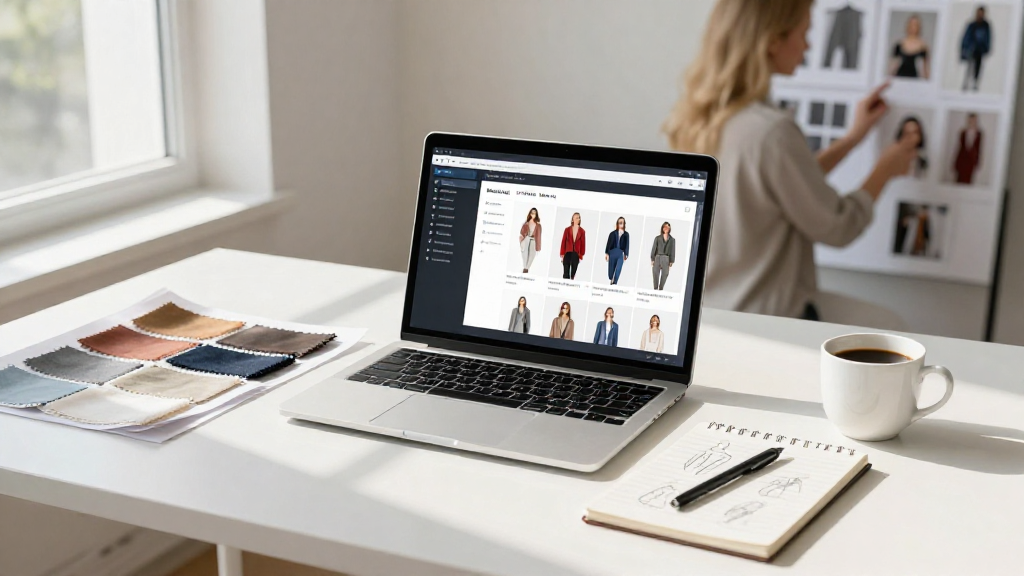
How to track your fashion choices can be a transformative experience.
As you evolve and grow, your style often reflects your personal journey, preferences, and even your mood. By learning how to document and analyze these choices, you can make informed fashion decisions while curating a wardrobe that resonates with your unique identity.
Why Should You Track Your Fashion Choices?
Tracking your fashion choices serves several purposes.
First, it helps you identify what styles you prefer over time, so you don’t waste money on pieces that may not reflect your evolving taste.
Second, it allows you to recognize what works for different occasions, making it easier to choose outfits for work, social events, or casual outings.
Finally, by looking back at your fashion history, you will better understand what outfits boost your confidence and why.
What Tools Can You Use to Track Your Fashion Choices?
When it comes to how to track fashion choices, you have options. Here are some effective tools you can use:
-
Fashion Journals: Write down your outfit details, including colors, styles, and occasions in a dedicated notebook.
-
Mobile Apps: Consider using apps like Stylebook, Cladwell, or Smart Closet that allow you to create a digital wardrobe and log your outfit choices.
-
Photography: Carry a camera or use your smartphone to take daily outfit photos. This visual record can be invaluable in tracking your style evolution.
-
Social Media: Use platforms like Instagram and Pinterest as digital lookbooks. Create themed boards or hashtags for easy referencing.
-
Spreadsheets: Use Google Sheets or Excel to categorize your outfits and keep track of occasions, conditions, and your overall feelings about each style.
How Can You Effectively Log Your Fashion Choices?
To truly master how to track fashion choices, consistency is key. Here are some tips for keeping your fashion log effective:
- Daily Logging: Make it a habit to log your fashion choices daily. At the end of each day, jot down what you wore and how you felt.
- Detailed Entries: Include information about the weather, mood, and context (e.g., work, brunch, date). This helps in understanding how these factors affect your choices.
- Weekly Reviews: Dedicate time each week to review your entries. This allows you to identify patterns, such as colors or styles you wear frequently.
- Set Goals: Establish fashion goals based on your tracking. For example, if you see a lack of color in your wardrobe, you might aim to incorporate brighter hues over the next month.
What Should You Look For in Your Fashion Tracking?
As you collect data, focus on these key areas when reviewing:
-
Favorites vs. Dislikes: Identify which outfits you loved and which fell flat. This feedback assists in making better choices in the future.
-
Repetition: Check how often you repeat certain outfits or styles. This can indicate your go-to looks and necessary staples.
-
Contextual Success: Notice which outfits were most successful for specific settings, such as interviews or parties.
-
Color and Fit: Keeping an eye on the color palettes that resonate with you can lead to a harmonious wardrobe. Moreover, pay attention to the fits that flatter your body.
How Can You Use Your Fashion Choices to Build a Capsule Wardrobe?
Using your tracking insights, creating a capsule wardrobe becomes an achievable task. A capsule wardrobe is a collection of essential items that don’t go out of style and can be mixed and matched.
To create one based on how to track fashion choices:
-
Assess Your Collection: Use your logged outfits to see which items you reach for the most.
-
Declutter: Remove items that you’ve worn less than three times in the last season. These are likely not your favorites.
-
Identify Staples: Look for versatile pieces that can be combined in multiple outfits, such as classic jeans, a good blazer, or a timeless little black dress.
-
Limit Quantities: Aim for a set number of items (often 30-40) that are seasonally appropriate.
-
Test Combinations: Use the outfits you’ve already tracked as a foundation to create new combinations from your curated collection.
How Can Your Fashion Tracking Facilitate Mindful Shopping?
After tracking your fashion choices, the next step is making smarter shopping decisions. Here’s how:
-
Prioritize Needs Over Wants: Based on your insights, identify what pieces are lacking, leading you to purchase items that genuinely fill a gap.
-
Avoid Impulsive Purchases: If you’ve logged outfits that already fulfill your needs, resist the urge to buy trendy items that may not last.
-
Quality Over Quantity: With a well-tracked wardrobe, you will appreciate the value of quality. Invest in pieces that withstand wear and resonate through several seasons.
-
Seasonal Reminders: Before shopping, revisit last year’s log to determine what worked well and what didn’t.
Conclusion: What’s Next After Tracking Your Fashion Choices?
Once you’ve effectively tracked your fashion choices and refined your wardrobe, continue to evolve:
-
Stay Open to New Styles: Fashion is expressive, so be open to experimenting with new trends while still being grounded in your core preferences.
-
Keep Updating Your Log: As seasons change, your choices may also shift. Keep your tracking updated to reflect these changes.
-
Involve Friends: Share your journey with friends who are also interested in fashion, which may introduce new perspectives and styles to explore.
In summary, learning how to track fashion choices is not just about documenting what you wear but deepening your understanding of your own style evolution. With the right tools, a consistent approach, and a focused mindset, you’re on your way to a more intentional wardrobe that reflects who you truly are. So grab your journal, start logging today, and watch how your fashion sense flourishes!