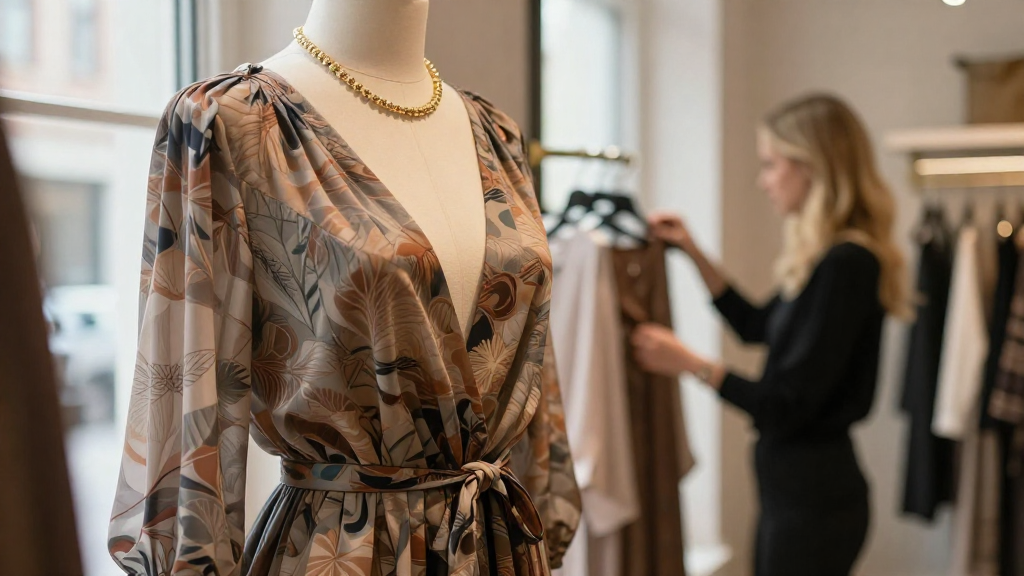
Describing clothing using words is an art that combines creativity, observation, and clarity.
Whether you’re a fashion writer, a seller on an e-commerce platform, or simply someone looking to improve their descriptive skills, understanding how to describe clothing in words effectively can enhance your communication.
What Are the Key Elements to Include?
When describing clothing, it is crucial to consider several key elements to create a vivid image in the reader’s mind. Here are some factors you should include:
-
Material: What fabric is the clothing made of?
- Cotton
- Denim
- Silk
- Polyester
-
Color: What are the dominant colors?
- Single-tone
- Patterns (floral, striped, polka dots)
-
Style: What is the overall style of the garment?
- Casual
- Formal
- Sporty
-
Fit: How does the clothing fit?
- Loose
- Fitted
- Tailored
-
Length: What is the length of the garment?
- Cropped
- Knee-length
- Ankle-length
-
Details: What unique features does the clothing have?
- Embroidery
- Ruffles
- Zippers
By addressing these elements, you can greatly improve your ability to describe clothing effectively.
Why Is Vocabulary Important?
When learning how to describe clothing in words, vocabulary plays a crucial role in conveying your message. Having a rich vocabulary allows for more precise and expressive descriptions.
Words can evoke feelings and create imagery, making your descriptions memorable.
Common Vocabulary Words for Clothing Description
- Chic: Stylish and fashionable.
- Vibrant: Bright and full of life.
- Subtle: Not overly pronounced, soft in contrast.
- Classic: Timeless and enduring in style.
- Trendy: In vogue, popular at the moment.
These words can add depth to your descriptions and help you appeal to a wider audience.
How Can You Use Adjectives Effectively?
Adjectives are essential when learning how to describe clothing in words. They enhance your descriptions and bring your text to life.
The Power of Positive Adjectives
When describing clothing, choose adjectives that evoke positive reactions. Here’s a selection:
- Luxe: Suggests a high-end feel.
- Flattering: Indicates that the clothing enhances the wearer’s appearance.
- Comfortable: Promises ease of wear, appealing in casual clothing.
- Versatile: Indicates the item can be worn in multiple settings.
Avoiding Clichés
Sometimes, we inadvertently use clichés that dilute our descriptions. Make sure to avoid overused phrases like “perfect for any occasion,” and instead focus on specific scenarios or styles.
What Descriptive Techniques Can Enhance Your Writing?
Metaphors and similes can elevate your descriptions significantly. They add creativity and richness to your text.
Examples:
- This dress flows like a gentle breeze on a hot summer day.
- The jacket is as warm as a hug on a cold winter night.
Incorporate vivid imagery that can help the reader visualize the clothing even if they have never seen it.
How Do You Convey the Emotional Effect?
Describing the emotional aspect of clothing can resonate deeply with readers. Clothing is not just fabric; it carries symbolism, memories, and emotions.
Example:
- Wearing this vintage dress transports you to a sunny afternoon picnic, invoking a sense of nostalgia.
By weaving in emotional contexts, you create a connection with your audience, making your descriptions more relatable.
Can You Provide Contextual Details?
Providing context enhances the reader’s understanding. When discussing how to describe clothing in words, consider suggesting an occasion or a mood.
Consider Including These Contextual Details:
-
Occasions: What events can the clothing be suitable for?
- Weddings
- Office Wear
- Casual Gatherings
-
Seasons: Which season is the clothing appropriate for?
- Spring/Summer
- Fall/Winter
Each of these details invites the reader to imagine wearing or seeing the clothing in a setting, making your description more captivating.
How to Make Your Writing Flow?
To maintain reader engagement, your writing must flow smoothly. This can be achieved through transitional phrases and logical progression.
Tips for a Seamless Flow:
- Use Connections: Transition from one characteristic to another smoothly.
“The vibrant red dress not only offers a lively shade, but its soft silk also ensures you feel comfortable all evening long.”
-
Vary Sentence Structure: Mix short and long sentences to create interest.
-
Avoid Repetition: Use synonyms to prevent redundancy in your descriptions.
Can You Create a Markable Description?
Writing a description that stands out requires understanding your audience’s interest and creating content that resonates with them. When learning how to describe clothing in words, consider these points:
- Target Audience: Who are you writing for?
- Purpose of Description: Are you aiming to sell, inform, or entertain?
Example of a Markable Description:
“Step into elegance with this knee-length, fitted navy blue dress made from premium chiffon. The delicate lace trim adds a touch of sophistication, making it perfect for evening events. Pair it with silver accessories for a chic look that will turn heads.”
Conclusion: Mastering the Art of Clothing Description
In summary, understanding how to describe clothing in words ultimately enhances your communication skills and creativity.
From focusing on key elements to using precise vocabulary and incorporating context, you now have a toolkit for creating compelling clothing descriptions.
Practice makes perfect.
With each description, you will become more adept at using words to paint vivid pictures in your reader’s mind.
Remember, the goal is to transport your audience into a world where they can visualize and feel the clothing you’re describing.
Happy writing!