Understanding how to map out style changes over time is essential for anyone interested in personal development and self-expression.
In this article, we’ll discuss various methods to help you visualize and appreciate your evolving style journey.
Why is Mapping Style Changes Important?
Why should you care about style changes?
Your style is a reflection of who you are and how you perceive the world around you.
By accurately mapping out your style changes, you can gain valuable insights into:
- Personal growth: Recognize how your taste and preferences have evolved.
- Confidence building: Embrace different phases of your style with pride.
- Fashion references: Identify trends that resonate with you and revisit them later.
Let’s explore effective methods and tools to map out your style changes.
What Tools Can Help You Map Out Style Changes?
What tools can you use to track your style journey?
Fortunately, there are several methods you can implement:
1. Style Journal
A style journal serves as a personal diary dedicated to your fashion evolution.
- Daily Entries: Write down what you wore each day and how it made you feel.
- Visuals: Attach photographs of outfits you loved or tried.
- Reflection: At the end of each month, review your entries and note any shifts in your preferences.
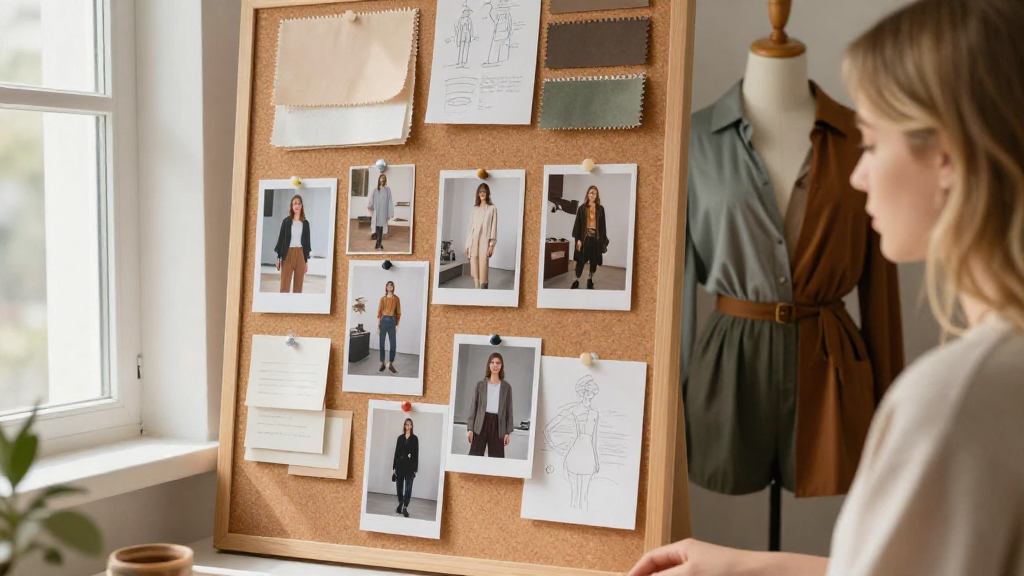
2. Mood Boards
Why should you create mood boards for mapping style changes?
Mood boards are visually engaging and can inspire creativity.
- Theme Selection: Choose a specific period like a season or a year.
- Clipping Pictures: Collect images from magazines or online that resonate with your style during that period.
- Digital Tools: Utilize platforms like Pinterest or Canva for digital mood boards.
3. Social Media Insights
How can social media aid in understanding your style shifts?
Social media platforms, especially Instagram, are excellent for tracking your fashion journey.
- Hashtags: Use specific hashtags like #OOTD (Outfit of the Day) to see how your style changes over time.
- Archives: Explore your social media archives to see past posts and assess your evolution.
4. Fashion Apps
With the rise of technology, various fashion apps can help you visualize your style journey.
- Wearing History: Apps like Cladwell allow you to log outfits over time.
- outfit Planning: Use apps to plan wardrobes and assess how your styles change based on seasonal or situational needs.
How to Analyze Your Style Changes?
How can you analyze your style evolution effectively?
Once you’ve collected your data, it’s time to analyze it.
1. Identify Patterns
- Look for recurring elements like colors, fabrics, or styles.
- Note changes over seasons or events.
2. Emotional Response
- Reflect on how different outfits made you feel.
- Consider if certain styles align with specific periods of your life.
3. Compare and Contrast
- Take time to view old outfits and new ones side by side.
- Notice what appeals to you now versus then.
How Can You Document Your Style Changes?
What should you document to successfully map out style changes?
In this stage, detailed documentation is key.
1. Photographs
- Before and After: Capture your starting point and evolve from there.
- Yearly Collages: Create yearly photo collages to see progression.
2. Descriptive Entries
In your style journal, provide descriptions of:
- Outfit Context: Where you wore the outfit and why.
- Comments on Changes: Details about what you like or dislike now.
3. Short Reflections
Offer periodic reflections that answer questions like:
- How do I feel about this style compared to a previous one?
- Are there any trends I want to re-explore or avoid completely?
How Do Style Changes Reflect Personal Growth?
What do your style changes signify in terms of personal growth?
Mapping out your style changes isn’t just about fashion; it’s a narrative of your personal evolution.
1. Shifts in Confidence
- Notice how your evolving style is linked to your self-esteem.
- Have bolder choices emerged during periods of increased confidence?
2. Cultural Influences
- Explore how shifts in societal standards have affected your style.
- Reflect on how your environment and culture contribute to your fashion choices.
3. Values and Beliefs
Map out how your beliefs have influenced your style:
- Are you more focused on sustainability or ethical fashion now than before?
- Has significant life experience changed the way you dress?
What Next in Your Style Journey?
What should you prioritize in your evolving style?
After mapping out your style changes, consider these steps to continue your journey:
1. Embrace New Trends
Stay open to experimenting with fresh styles.
Taking inspiration from your past along with new trends can craft a unique fashion statement.
2. Learn to Let Go
It’s essential to shed styles that no longer serve your identity.
Reflect on your mapping process to identify what you may want to leave behind.
3. Set Future Goals
Create style goals based on your mapping.
- Do you want to introduce more color into your wardrobe?
- Are there accessories you wish to experiment with?
Conclusion
In conclusion, knowing how to map out style changes over time allows for greater self-awareness and personal growth.
By employing tools such as style journals, mood boards, and social media insights, you can visually and emotionally understand your style evolution.
Remember: Your style tells a story, and with thoughtful documentation and analysis, you can appreciate each chapter of your fashion journey.
Whether you’re celebrating bold transformations or subtle shifts, the process of mapping your style can yield surprising insights and a better grasp of who you are and who you aim to become.
Embrace your evolving style with confidence—it’s a beautiful reflection of your unique self!