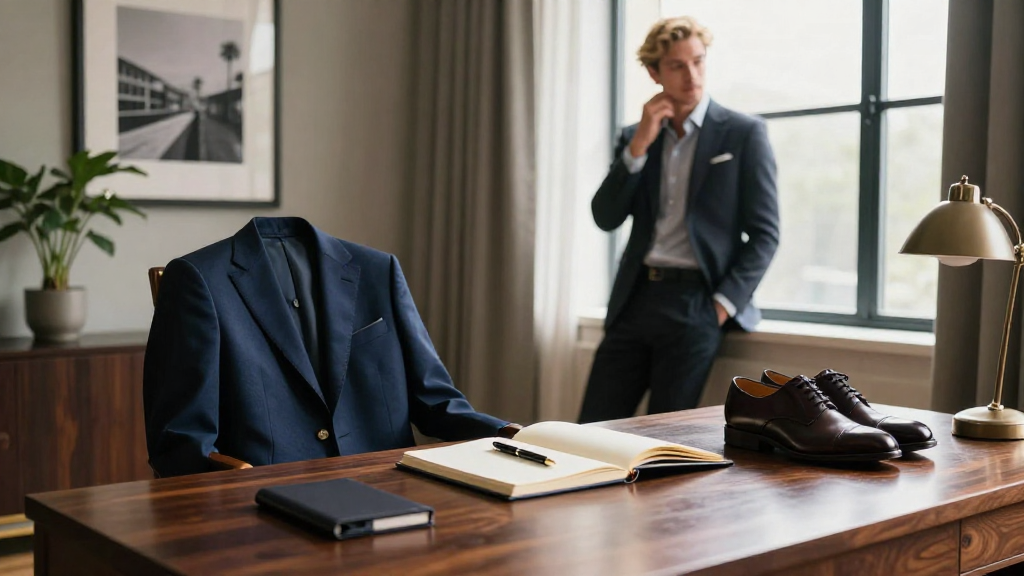
Writing about masculine style without images can be a challenge for many content creators. However, effective language and thoughtful descriptions can paint vivid pictures in the minds of readers and convey the essence of masculine fashion.
In this article, we’ll explore ways to articulate the elements of masculine style in a compelling and engaging manner, ensuring your audience can appreciate the concept even without visual aids.
What Is Masculine Style?
Masculine style refers to a unique aesthetic that men can adopt in their clothing, grooming, and overall appearance.
It emphasizes traits traditionally associated with masculinity, such as strength, confidence, and sophistication. This style often draws inspiration from classic cuts, robust fabrics, and statement accessories.
How Can You Describe Masculine Style Accurately?
To effectively write about masculine style, you need to focus on key components that define this aesthetic. Here are some essential elements to consider:
-
Tailoring
– Well-fitted clothing is crucial.
– Emphasize sharp lines and structured pieces.
– Discuss how tailored suits can elevate a man’s presence. -
Color Palette
– Focus on neutral and earthy tones that exude confidence.
– Mention shades like navy, charcoal, and olive green.
– Highlight how darker colors traditionally carry a more masculine vibe. -
Fabric Choices
– Write about durable materials like denim, wool, and leather.
– Discuss how these fabrics contribute to both style and practicality.
– Include the importance of texture in creating depth in an outfit. -
Accessories That Matter
– Don’t overlook the significance of accessories.
– Talk about classic items such as leather belts, watches, and ties.
– Address how these touches can personalize and enhance masculine attire. -
Footwear
– Emphasize the role of shoes in masculine style.
– Consider detailing types like brogues, boots, and loafers.
– Discuss how quality footwear can complete a look, adding to its sophistication.
How to Use Descriptive Language Effectively?
When you’re describing masculine style, opt for vivid and evocative language. This minimizes the reliance on images by creating an immersive experience for the reader. Here are some tips:
-
Use Sensory Details:
Engage all five senses. Describe the texture of a fabric, the sound of boots on pavement, or the smell of a quality cologne. -
Vivid Adjectives:
Choose adjectives that resonate with masculinity, such as “rugged,” “elegant,” “sleek,” or “timeless.” -
Metaphors and Similes:
Use comparisons to help convey your message. For example, “a tailored suit fits like a glove, enhancing confidence without losing comfort.” -
Narrative Style:
Consider weaving stories about style icons, historical references, or personal experiences to captivate your audience.
How Can You Discuss Urban vs. Traditional Masculine Style?
There’s a rich spectrum within masculine style that can be segmented into different categories, such as urban and traditional styles.
Urban Masculine Style
-
Casual Yet Chic:
Urban style often favors comfortable, functional clothing with a modern twist. Think of fitted jeans paired with crisp white shirts or a stylish bomber jacket. -
Layered Looks:
Discuss how layering adds dimension. A hoodie under a tailored blazer, for instance, creates a balanced mix of casual and sophisticated. -
Street Style Influences:
Mention how urban culture and trends can spur creativity. Sneakers, patterned shirts, and unique accessories are hallmarks of this style.
Traditional Masculine Style
-
Timeless Elegance:
Traditional masculine style focuses on classic pieces that withstand the test of time, such as tailored suits, dress shirts, and polished shoes. -
Quality Over Quantity:
Stress the importance of investing in well-crafted and enduring essentials that offer versatility. -
Proper Grooming:
Highlight grooming aspects, like a well-kept beard or a classic haircut, that contribute significantly to the overall appearance in traditional masculine style.
What Role Does Culture Play in Masculine Style?
Masculine style is not merely about clothing; it’s heavily influenced by culture. Different cultures have distinctive interpretations of masculinity that shape their style narratives.
-
Cultural Attire:
Discuss how traditional cultural dress can reflect masculine ideals. For instance, a Scottish kilt or an Italian tailored suit can convey strong cultural markers. -
Fashion Icons Across Cultures:
Reference style icons from various backgrounds who embody masculine style in diverse ways. Their influence can serve as a guide for readers.
How to Engage Readers Emotionally?
To leave a lasting impact on your audience, engage them emotionally with your writing.
-
Personal Stories:
Share anecdotes about why certain styles resonate. Perhaps a personal experience with a family member’s iconic outfit can create a connection. -
Inspiration and Aspirations:
Encourage readers to think of their own identity regarding masculine style. What do they want to express through their wardrobe? -
Inviting Interaction:
Ask thought-provoking questions throughout the article, prompting readers to reflect on their own styles, preferences, and choices.
Conclusion: Why Does Masculine Style Matter?
Understanding and embracing masculine style can deeply affect how men perceive themselves and how they are perceived by others.
Although writing about it without images is challenging, descriptive language, thorough exploration of components, and emotional engagement can still create a vivid representation.
Encouraging readers to think critically about their attire allows for personal growth and expression, which is invaluable in developing a sense of identity through style.
Emphasizing the power of masculine style is more than just about fashion; it’s a way to explore masculinity itself and the many shades it can take.
By following the strategies outlined in this article, you can effectively convey these concepts and encourage others to appreciate and embrace their own unique interpretations of masculine style.