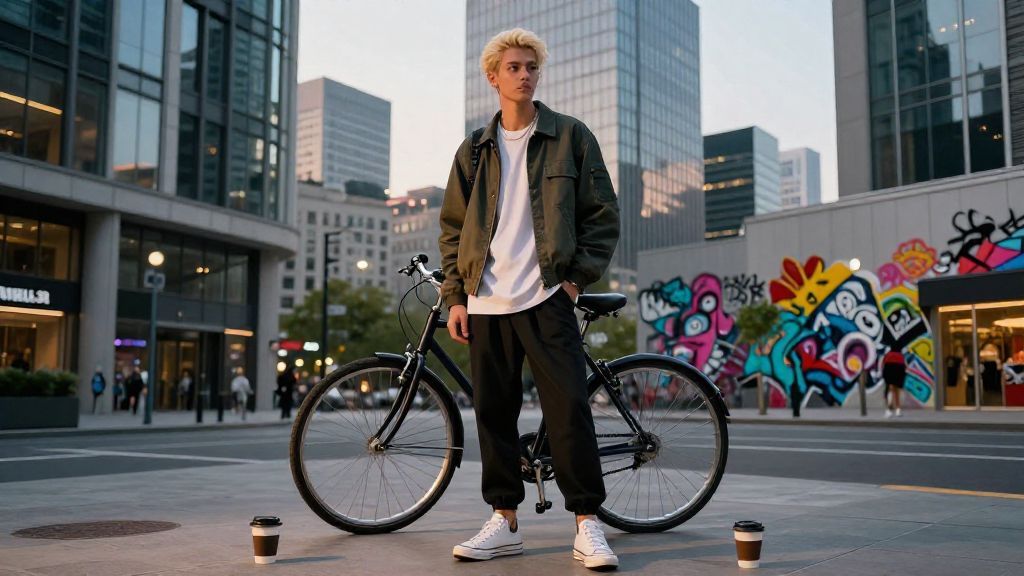
Urban style is a vibrant and multifaceted approach to fashion and lifestyle that captures the essence of city living.
What is Urban Style?
Urban style is not merely a fashion statement; it is a cultural expression that reflects the diversity of the urban landscape.
At its core, urban style combines elements from various subcultures, experiences, and influences found in metropolitan areas.
From streetwear to high fashion, urban style encompasses a wide range of aesthetics, grounded in the idea of individuality and personal expression.
How Did Urban Style Emerge?
The evolution of urban style can be attributed to a variety of influences:
-
Historical Context: Emerging in the late 20th century, urban style sprouted from the needs and desires of city dwellers. It often reflects the struggles and achievements of marginalized communities.
-
Music and Arts Influence: Genres such as hip-hop, punk, and grunge played a significant role in shaping urban style, influencing how people dress and express themselves.
-
Globalization: The mixing of cultural influences from around the world has enriched urban style, resulting in a unique blend of fashion elements that cross traditional boundaries.
-
Street Culture: Graffiti art, skateboarding, and underground music scenes have all contributed to the formation of urban style, establishing a distinct identity that resonates with youth.
What Are the Key Elements of Urban Style?
When we explore urban style, several key components stand out:
1. Streetwear
Streetwear is arguably the most recognizable element of urban style. It typically includes:
- Graphic T-Shirts: Bold prints that often showcase art, messages, or logos.
- Hoodies and Sweatshirts: Comfortable, relaxed fits that prioritize functionality.
- Sneakers: Athletic footwear is often a focal point of urban style, where function meets fashion.
2. Layering
Layering is a crucial technique in urban style, allowing individuals to mix textures, colors, and styles.
This may include:
- Jackets over Hoodies: A mix of street and sporty elements.
- Vests: For an added layer of style.
- Scarves and Beanies: Accessories that add personality and warmth.
3. Unique Accessories
Accessories play a pivotal role in enhancing urban style. Key accessory types include:
- Statement Jewelry: Pieces that showcase bold designs or cultural significance.
- Backpacks and Crossbody Bags: For practicality and style.
- Caps and Hats: Offering a touch of flair and often representing local teams or cultures.
How Does Urban Style Reflect Identity?
Urban style serves as a canvas for individuals to express their identity.
This can be viewed through several lenses:
1. Cultural Identity
Urban style allows individuals to draw from their cultural backgrounds.
People often showcase their heritage through traditional fabrics, patterns, or accessories.
2. Socioeconomic Factors
Clothing choices often reflect a person’s social and economic status.
Urban style can be a statement of pride in one’s roots or a symbol of struggle and resilience against socioeconomic challenges.
3. Youth Culture
As urban style often resonates deeply with the youth, it becomes a platform for social commentary.
Individuals often use their clothing to critique societal norms, advocate for change, or align with specific movements.
Why Is Urban Style Important Today?
In today’s interconnected world, urban style has gained prevalence beyond city limits.
1. Global Influence
Urban style is not confined to major cities anymore; it has permeated global fashion trends.
Fashion brands often draw inspiration from urban styles, creating collections that resonate with a cosmopolitan audience.
2. Fashion as a Form of Protest
Fashion has power.
Urban style has often been used as a tool for protest, allowing individuals to voice their opinions and stand against social injustices through their choices.
3. Community Building
Urban style fosters a sense of community.
Through fashion choices, individuals create connections with others who share similar tastes and values.
These communities often extend beyond clothing into collaborative art, music, and activism.
How Can One Cultivate Urban Style?
Cultivating an urban style is about authenticity and self-expression.
Here are some steps to consider:
1. Explore Your Interests
Begin by exploring different influences that resonate with you.
Consider your favorite music genres, art styles, or cultural narratives.
2. Mix and Match
Urban style is all about experimentation.
Don’t be afraid to mix high-end pieces with thrifted finds or to blend different aesthetics.
3. Personalize Your Look
Accessories can unique your style.
Add elements that speak to your identity, such as specific jewelry, bags, or unique outerwear.
4. Stay Updated on Trends
While urban style is rooted in individuality, keeping an eye on current trends can inspire new ideas.
Follow fashion blogs, street style photographers, and social media influencers who resonate with urban style.
In Conclusion: What Defines Urban Style in Words Alone?
Urban style is much more than a trend; it’s a reflective cultural phenomenon rooted in distinct communal identities and societal movements.
It embodies the essence of city life, melding various influences into a rich tapestry representing resilience, creativity, and individuality.
Ultimately, urban style speaks volumes about who we are and where we come from.
The expression lies not just in the clothing but in the narratives and emotions woven within, highlighting the diversity found in urban environments. Thus, urban style is indeed defined through words, threads, and the life experiences of people living in bustling cities across the globe.